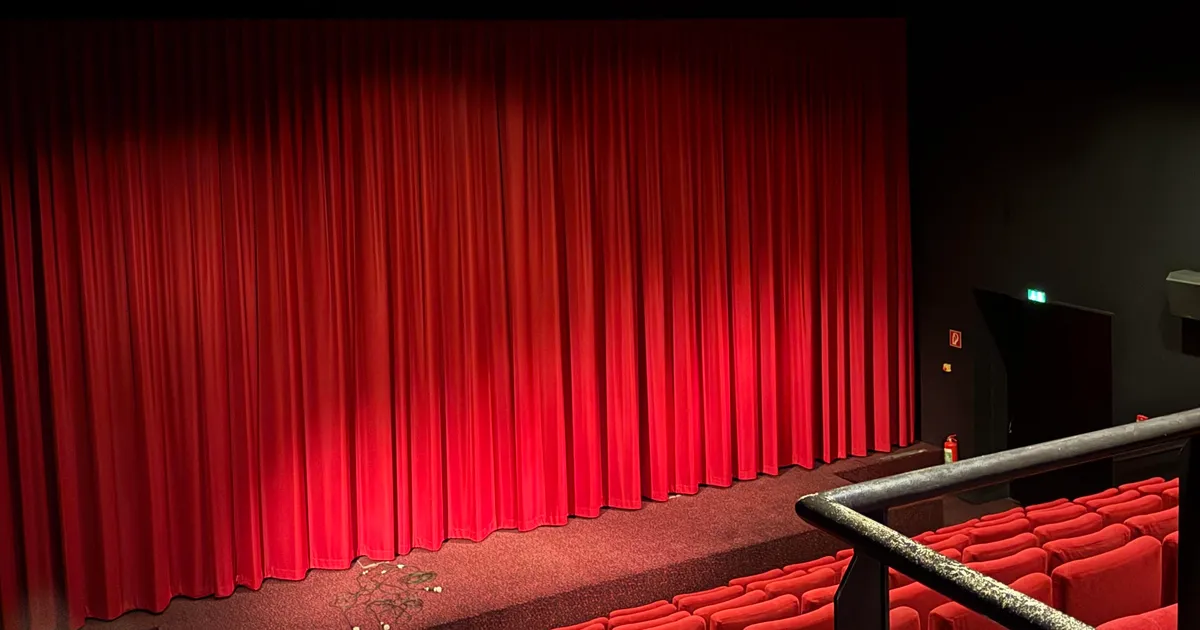
Four things around endo that should not still be radical in 2026.
On 29 September 2026, the Endometriosis FilmFestival brought films, perspectives and people together in four Austrian cities to shine a light on endometriosis and its impact on the lives of those affected, as well as on the people fighting hard to obtain a correct diagnosis.
For a few hours, a disease that is so often invisible became the subject of a shared experience. Stories that are usually confined to doctors' offices, private conversations and individual struggles found their way onto the big screen.
But what happens after the credits roll?
The films end. The audience leaves the cinema. And for millions of people living with endometriosis, as well as their partners, friends and families, life tends to continue much as before.
Thankfully, not everybody left empty-handed. Men showed up to better understand what their partners are going through. People recognised fragments of their own experiences in the stories on screen, perhaps seeing aspects of their lives reflected back at them for the first time. There was laughter, there was anger, and there were moments of shared recognition. Laughing and raging together helped forge connections, build bridges and perhaps even new alliances.
This is precisely why exchanges and conversations like these are necessary. Awareness is important, but awareness alone does not remove the structural barriers that shape how endometriosis is diagnosed, researched and treated.
Looking back at the festival and the conversations surrounding it, four things stood out to me. Some were surprising, but ultimately and infuriatingly, none of them should be radical in 2026.
1. Believing pain you cannot see
Endometriosis is not always visible. It can even evade ultrasound or MRI, especially when imaging is performed without an optimised protocol (but that's another rabbit hole I don't even want to open here). It does not necessarily show up on routine examinations, standard imaging or even during surgery in ways that are immediately recognisable. Yet its effects can be profound. For many affected people, the path to diagnosis is marked by years of pain, unanswered questions and repeated attempts to have their symptoms taken seriously. Many struggle with their own self-perception and their internal pain scale. Over time, this can become deeply disorienting.
As with so many issues involving the self and the other, and the perception of body and mind, the communication of pain between patient and doctor is often disrupted.
But pain should not need photographic evidence. Nor should patients have to reach a breaking point before their suffering is acknowledged. Taking symptoms seriously and investigating them systematically is not an extraordinary act of empathy. It is a basic requirement of good medical practice. Endometriosis keeps exposing just how far we still are from meeting that standard.
2. Recognising that endometriosis needs treatment beyond fertility
Endometriosis is frequently discussed in the context of fertility and the ability to have children. While reproductive health is an important aspect of the disease, and gynaecology as a medical specialty historically developed around the study and treatment of the female reproductive organs and their functions, it is far from the whole picture.
A female body is not reduced to childbearing. Research into ovarian function after menopause, for instance, is challenging the long-held notion that the ovaries become biologically irrelevant once their reproductive function ends. They continue to have endocrine and other biological functions, even after menopause.
Endometriosis is a chronic, inflammatory, hormone-responsive disease that can affect multiple organs and systems. Its impact extends into everyday life, physical functioning, relationships, work and long-term wellbeing. Treatment cannot be measured solely by whether someone stops menstruating or becomes pregnant. Women deserve effective treatment because they are living with a disease that negatively affects their health and quality of life. The goal should be to improve life, not simply to achieve a particular outcome at a specific point in time, such as a reproductive outcome. Not to mention that becoming pregnant has long been shown to be no reliable treatment for endometriosis.
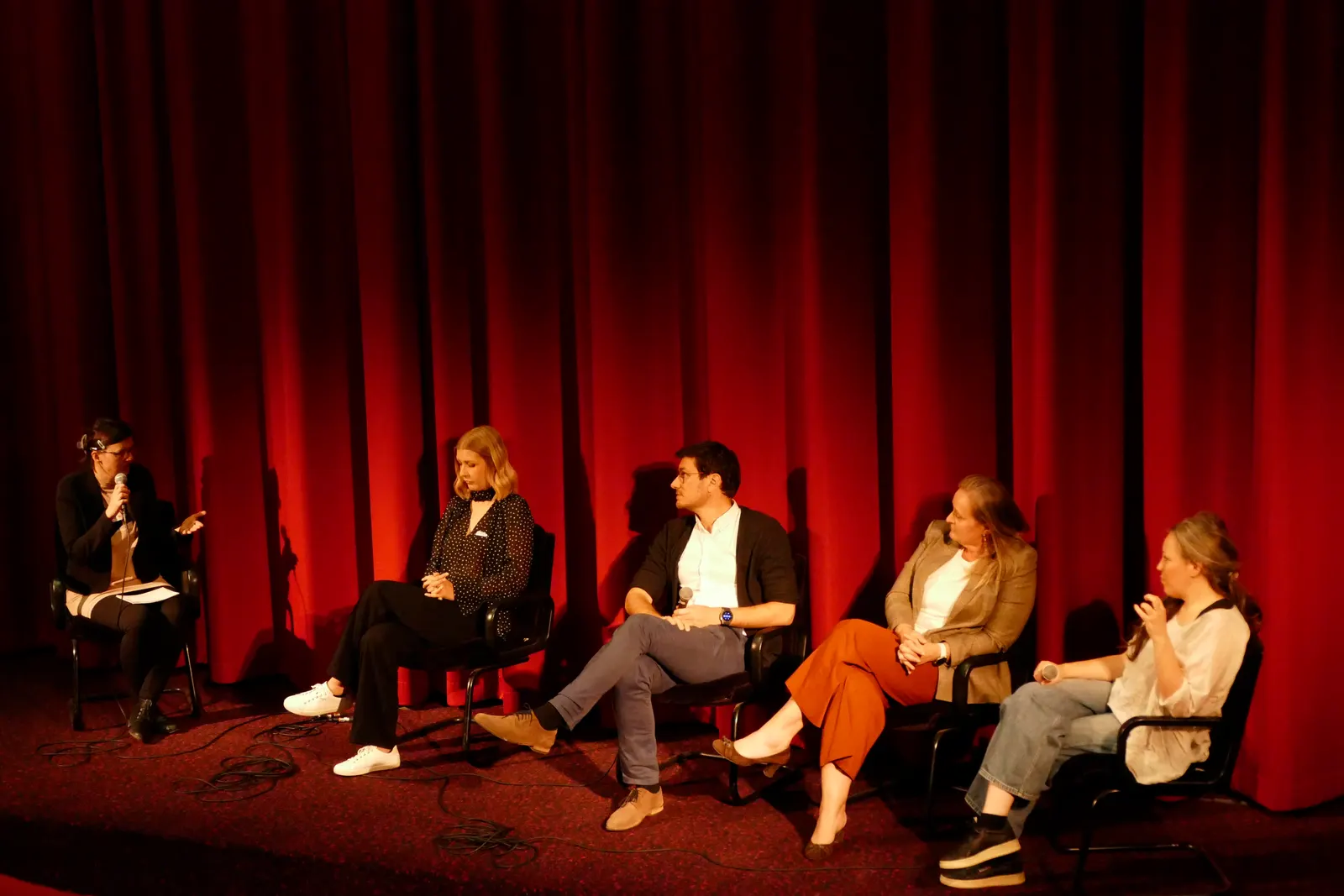 Photo: EndÖ
3. Not making patients and their loved ones become activists just to move healthcare forward
People living with endometriosis have become remarkably visible advocates for their own health. They share experiences, educate others, organise events, challenge misconceptions and push for better research. This work has enormous value. But it also raises an uncomfortable question: why does so much of this responsibility fall on those who are already dealing with the disease and fighting their way through everyday life?
Patients should not have to become medical researchers, public relations specialists or lobbyists simply to make their condition visible. Lived experience is an essential part of understanding endometriosis. It should inform research, clinical practice and healthcare policy. But the responsibility for advancing knowledge and actually improving care must also lie with the institutions, professionals and decision-makers equipped to make those changes.
4. Giving doctors the time, funding and structures to treat complex disease properly
Endometriosis is complex. Its diagnosis and management can require interdisciplinary expertise, specialised imaging and specific expertise in interpreting it, surgical experience and long-term care. Yet healthcare systems are often not structured to accommodate that complexity. Limited consultation time, fragmented care pathways, a lack of communication between departments, insufficient research funding, and unequal access to specialists can leave patients navigating a system that struggles to meet their needs.
Better care requires more than individual commitment. It requires investment, collaboration and structures that recognise the actual demands of the disease. We need research that goes beyond the questions already asked. We need treatment options that address more than symptoms alone. And we need healthcare systems that allow expertise and innovation to translate into meaningful and efficient care in a timely manner, rather than over a timeframe of decades.
Beyond the credits
Film has a particular ability to make experiences tangible. It creates space for stories that might otherwise remain unheard and allows audiences to encounter perspectives beyond their own. The Endometriosis FilmFestival offered such a space. Bringing together lived experience, medicine, research and three unique film approaches created an opportunity to look at endometriosis from different angles and to recognise how much remains to be done.
There was also a little something special from Endopaedia: Endolorosa.
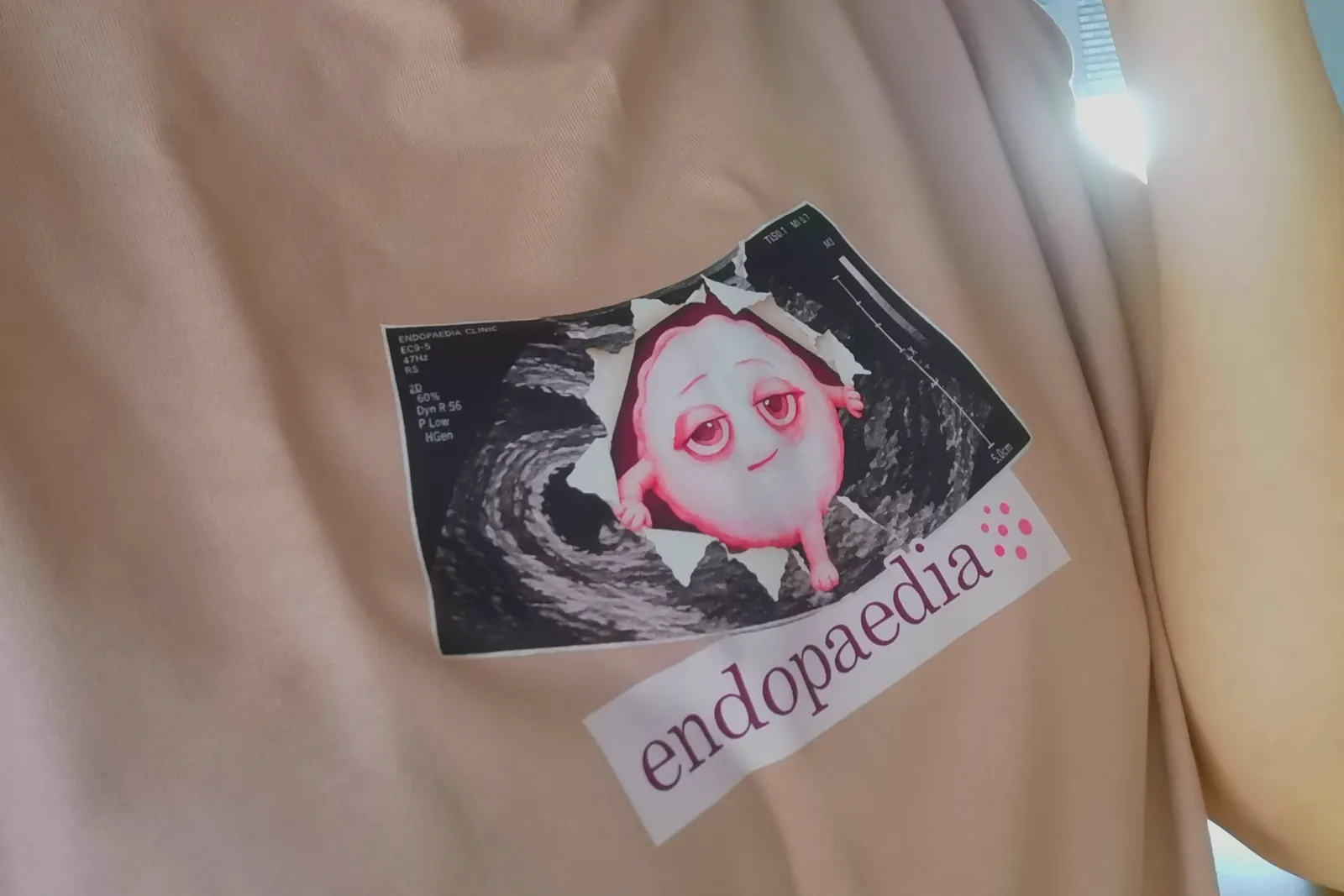 Photo: Endopaedia
Created specifically for this event, Endolorosa made her animated short debut as part of the festival.
Video: nicht die regel
This small, self-created character brings a creative and somewhat unconventional perspective to endometriosis communication. Through a visual language of her own, she aims to make a complex disease more approachable, spark curiosity and give endometriosis a face. Because sometimes, a little character can open up a conversation that medical terminology alone cannot.
Visibility is only the beginning.
At Endopaedia, I believe that knowledge needs to be accessible, connected and useful. That means bringing together research, healthcare expertise, initiatives and the people working to improve the lives of those affected.
The festival may be over, but the questions it raised remain. And they deserve answers that extend far beyond a single day or a cinema screen.
NONE OF THIS SHOULD BE RADICAL. ALL OF IT STILL IS.
The festival is over. The conversation isn't.